
People
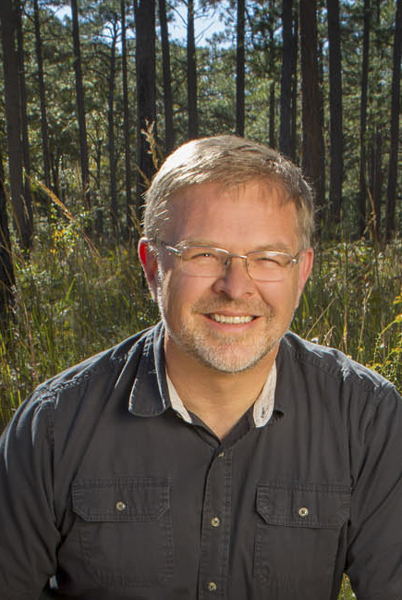
Mike Conner, Ph.D.
Scientist
Dr. Mike Conner’s research interests include predator ecology, the impacts of predators on prey behaviors and populations, the influence of habitat and habitat management on the predation processes, and understanding and mitigating impacts of invasive wildlife on native animals and their habitats. Dr. Conner is a Fellow in The Wildlife Society where he has served on TWS Council, President of the Georgia Chapter, and Secretary-Treasurer of the Southeastern Section of TWS. He is also active in the Hunting, Trapping, and Conservation as well as the Wildlife Damage Management TWS Working Groups. Dr. Conner also served for three years as an Associate Editor for the Wildlife Society Bulletin and the Journal of Wildlife Management. His outreach activities extend from his research interests and include seminars, workshops, and short courses on wildlife field techniques.
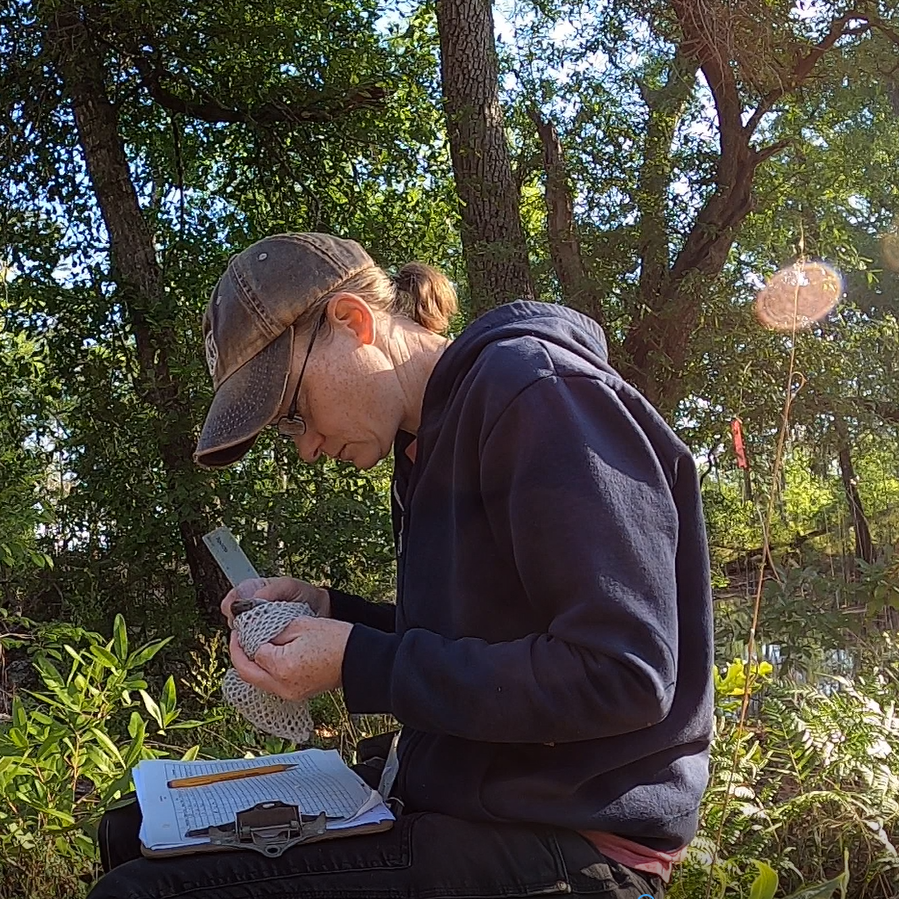
Gail Morris
Research Associate
Gail Morris received a BS in Biology from Muhlenberg College and a MS in Wildlife Ecology and Conservation from the University of Florida. Her interests include small mammal ecology and effects of predators on prey behavior and population ecology.
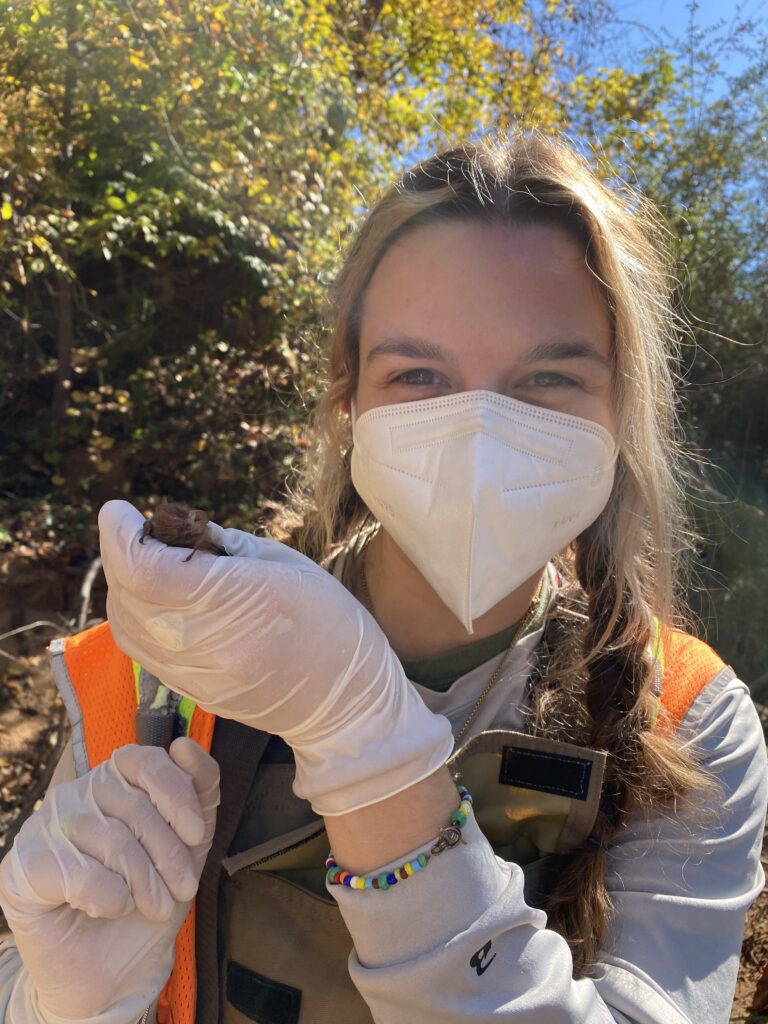
Lexie Dingerson
Graduate Student
Lexie graduated with a B.S. in Zoology from Southern Illinois University. She is a master’s student at the University of Georgia researching mesopredator camera trapping methods. Lexie’s interests include animal behavior, mammal ecology, and predator-prey relationships. In her free time, she likes to crochet, read, and cuddle with her cats.

Jenna Myers
Graduate Student
Jenna graduated with a BS in biology from the University of North Georgia and is currently a PhD student at the University of Georgia. Her research focuses on designing and implementing a monitoring protocol for the mesopredator community of Georgia and refining methods to detect small predator species. In addition to monitoring methodology, her research interests include mammal ecology, predator community and population dynamics, and scientific-based wildlife management. When she’s not checking trail cameras or processing photos, she enjoys running, crocheting, and playing Taylor Swift songs on the piano. Jenna is co-advised by Dr. Steven Castleberry at the University of Georgia.
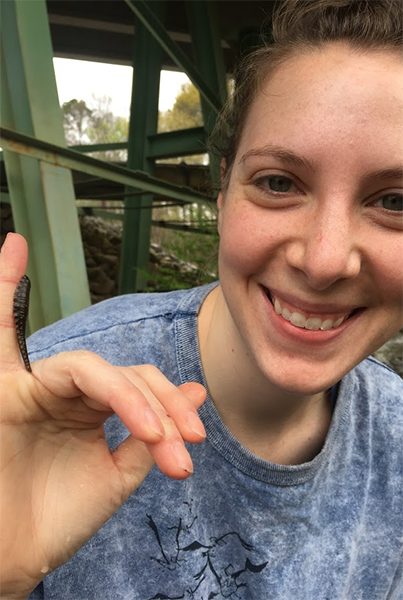
Elizabeth Parsons
Graduate Student
Elizabeth Parsons is a graduate student at D.B. Warnell School of Forestry and Natural Resources at the University of Georgia where she studies bird and mammal use of geographically isolated wetlands. Her interests include mammal ecology, mammal habitat selection and behavior, and predator-prey relationships. She received her B.S. from Berry College in Rome, Georgia, and her M.S. from Auburn University. Elizabeth is an active member in The Wildlife Society and the American Society of Mammalogists. Outside of work, her hobbies include baking, gardening, and fishing. Elizabeth is co-advised by Dr. Steven Castleberry at the University of Georgia.
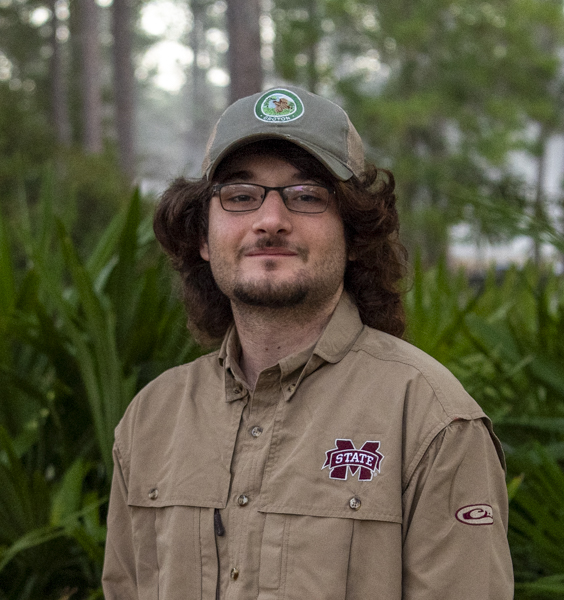
Michael Stewart
Graduate Student
Michael graduated with a B.S. in Natural Resource Management: Wildlife from Abraham Baldwin Agricultural College (ABAC). He is a Master’s student at Mississippi State University researching northern bobwhite and supplemental feeding. Michael’s interests include land management, game species management, predator management, and predator-prey relationships. In his free time, Michael enjoys hunting, fishing, hiking, and watching a variety of sports. Michael is co-advised by Dr. Mark McConnell at Mississippi State University.
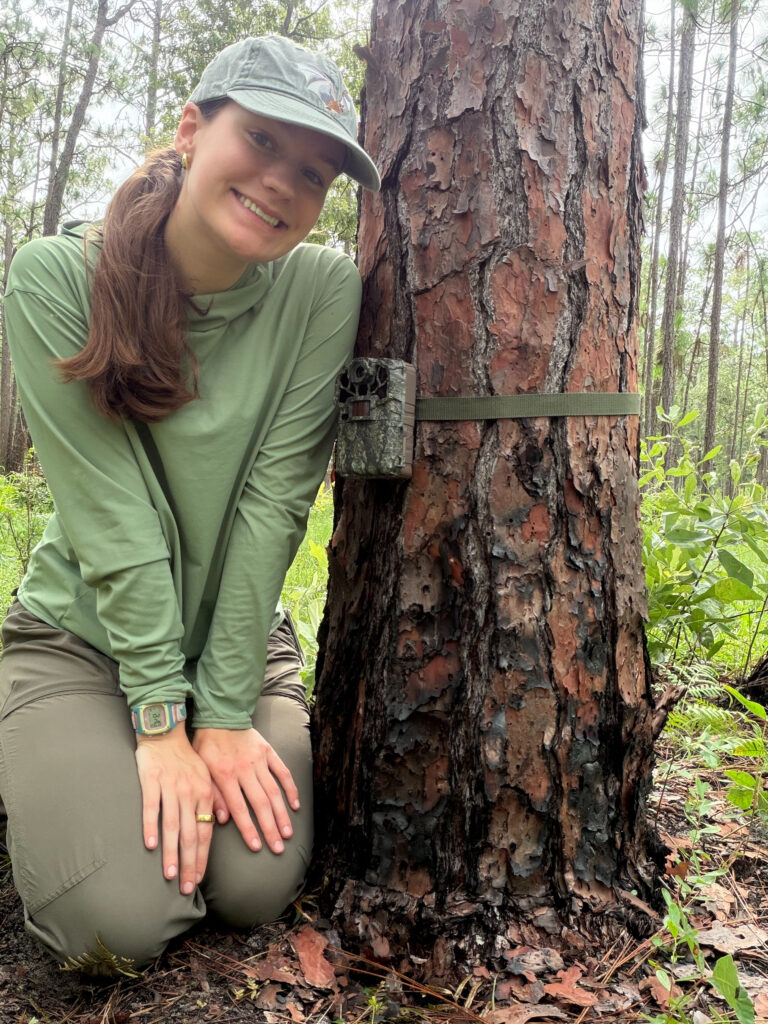
Dana Wells
Graduate Student
Dana Wells graduated from the University of Georgia with a B.S. in Ecology. She is currently a Master’s student at the University of Georgia studying mammal biodiversity on Conservation Reserve Program (CRP) lands. Her research interests include mammal ecology, population and community dynamics, and human-wildlife conflict. Dana is co-advised by Dr. Steven Castleberry and Dr. Lora Smith. Outside of research, Dana enjoys reading, spending time outdoors, fostering animals, and cuddling with her cat.

Alyssa Connolly
Graduate Student
Alyssa is a Master’s student at the University of Georgia studying the impact of Northern Bobwhite management on small mammal communities. She graduated with a BS in Natural Resources with a Conservation Biology emphasis from the University of Arizona, before working with the National Park Service to study occupancy of the endangered New Mexico meadow jumping mouse. Her research interests include small mammal and bird biology, habitat selection, sustainable management, and predator-prey dynamics. In her free time, Alyssa loves kayaking, hiking, and trying out new recipes.
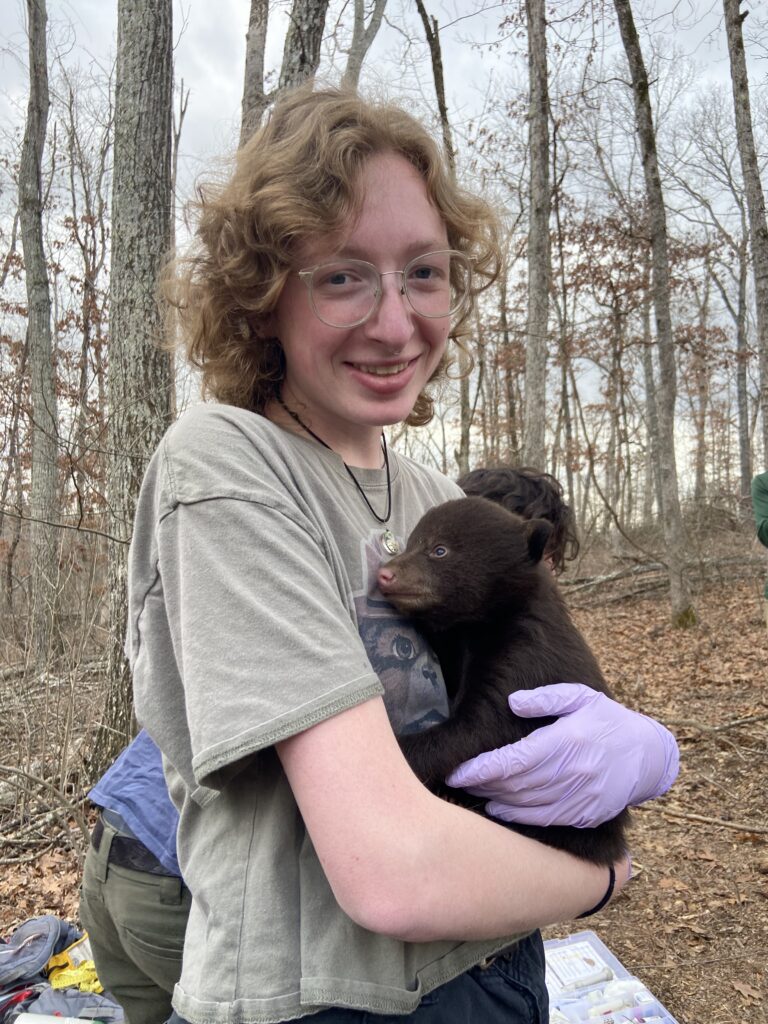
Maggie Thomas
Research Technician
After graduating from Virginia Tech with a B.S. degree in Wildlife Conservation, Maggie has worked as a field technician on a number of wildlife projects across the US. Their research interests include mammal community ecology and population dynamics, predator-prey interactions, and human impacts on wildlife. Maggie plans to pursue a Master’s degree in the near future to continue developing their skills in research and data management. Outside of work, they enjoy biking, reading, crocheting, or just hanging out.
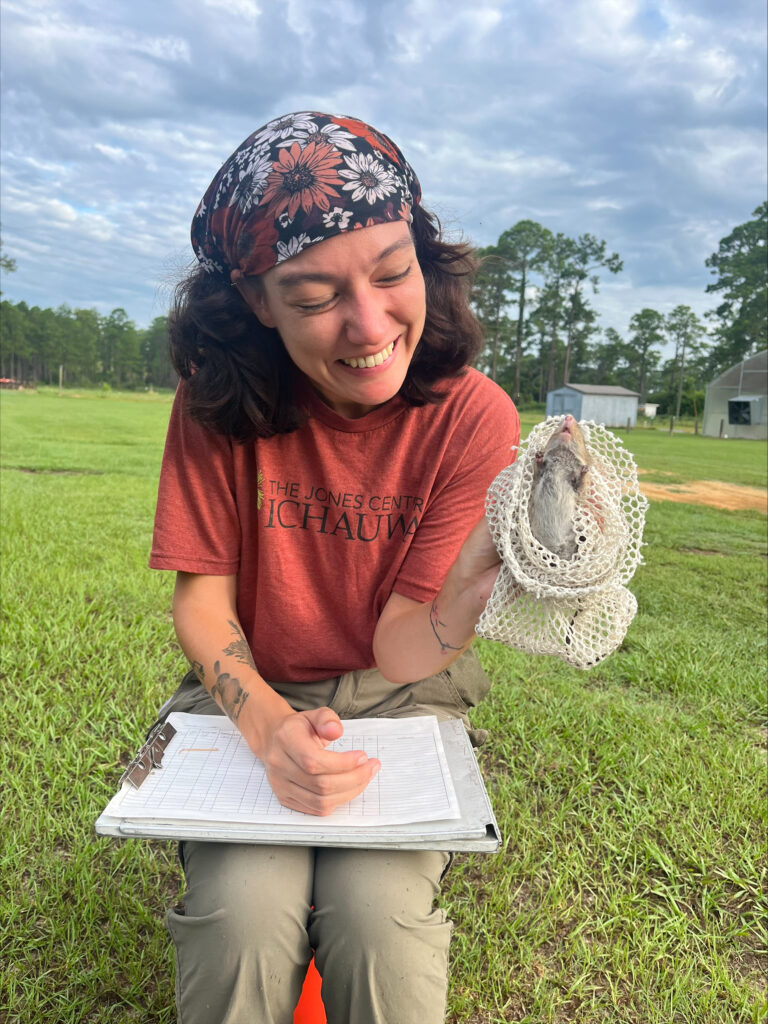
Amanda Ochoa
Research Technician
Amanda attended Purdue University graduating with a BS in Wildlife Science. In the past, she has worked for an environmental consulting company doing bat and bird surveys. Her research interests include bat and other small mammal community ecology, white-nose syndrome monitoring and development, and owl migration studies. Amanda also has an interest in studying herpetology. Amanda plans to pursue a Master’s degree in the near future to further develop her skills in research and analyses. Outside of work, she enjoys wildlife photography, reading, and crocheting.
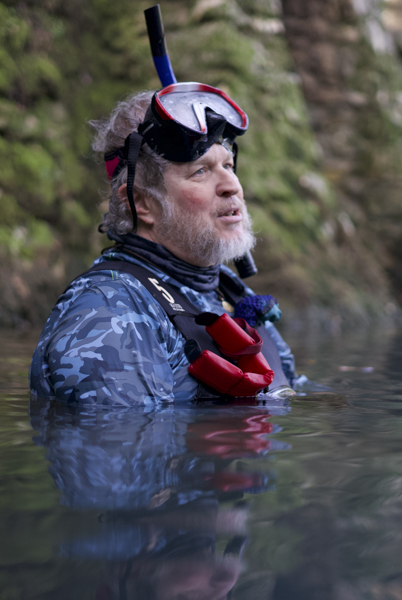
Stephen W. Golladay, Ph.D.
Scientist
Dr. Golladay’s interests include the ecology of streams and wetlands, the impact of human land use on water quality and aquatic invertebrates, and the impact of variation in hydrology on ecological processes and aquatic communities Recently, he has developed an interest in the ecology and conservation of rare and endangered freshwater mussel species.
Dr. Golladay has served as a technical advisor to the Sand County Foundation, Georgia EPD, DNR and Water Management districts in Florida. He has developed training activities for resource professionals in partnership with the U.S. Fish and Wildlife Service. Dr. Golladay also has assisted in the development of programs to enhance the
natural resource awareness of regional educators in cooperation with regional Georgia Youth Science and Technology.