
Landscape Ecology Lab welcomes Brittany LaPointe
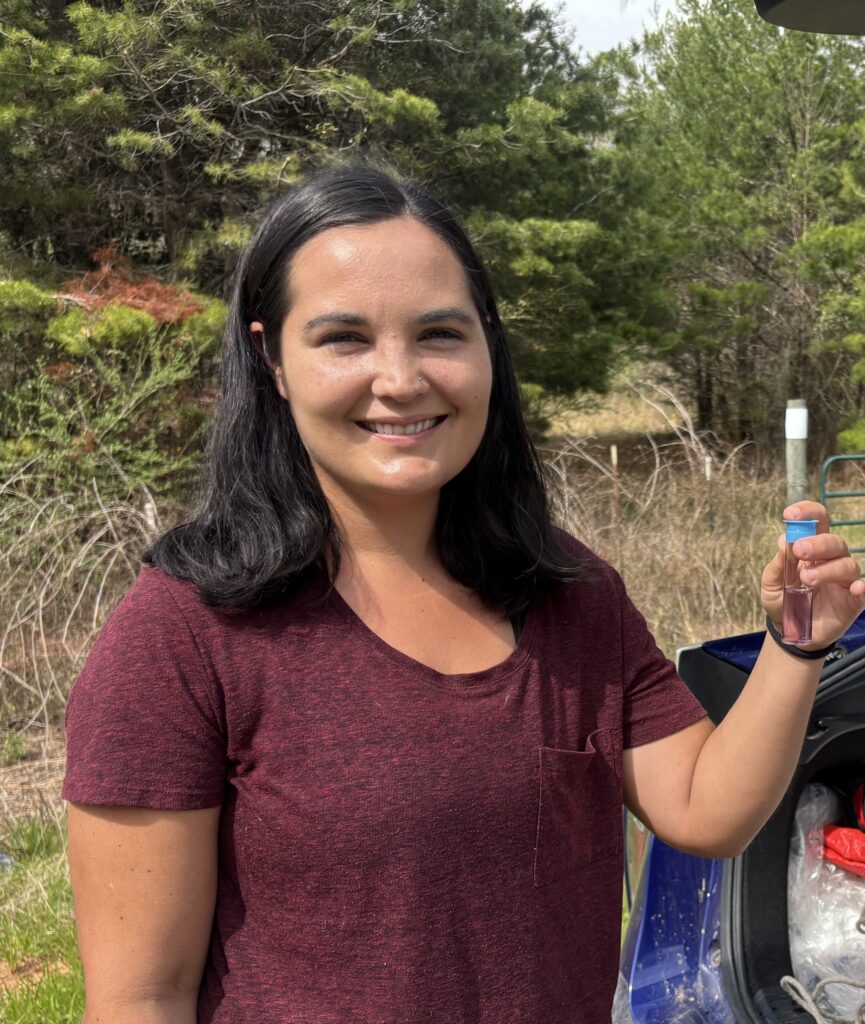
The Landscape Ecology Lab welcomes Brittany LaPointe as a Remote Research Assistant based in Dothan, Alabama. Brittany brings remote sensing experience from USGS EROS and NASA DEVELOP internships, where she studied post-fire vegetation recovery in the Black Hills and California’s Santa Cruz Mountains. At the Jones Center, she’ll apply that expertise to evaluate longleaf pine restoration outcomes at a regional scale and expand her skills working with lidar data.
New paper: Optimizing forest restoration to boost streamflow in Georgia watersheds
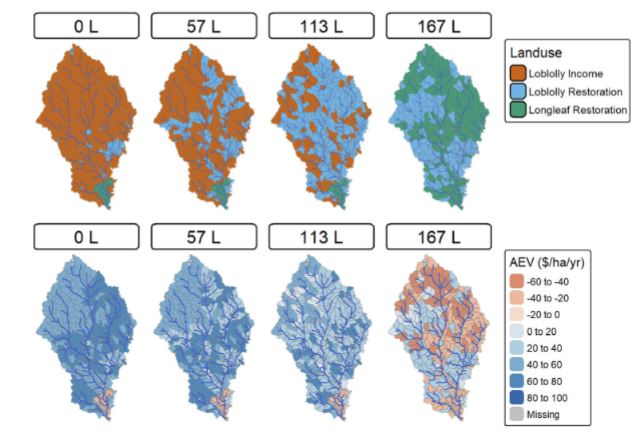
Can restoring pine savannas improve water flow? Our lab’s new study, led by Chambers English and Seth Younger, shows how forest restoration can be strategically optimized to meet streamflow goals in Southwest Georgia. Using vegetation and hydrologic modeling, the team identifies the most cost-effective areas for pine savanna restoration to support ecological and economic goals.
How longleaf pine patches shape fire: New research and podcast interview on Fire Ecology Chats
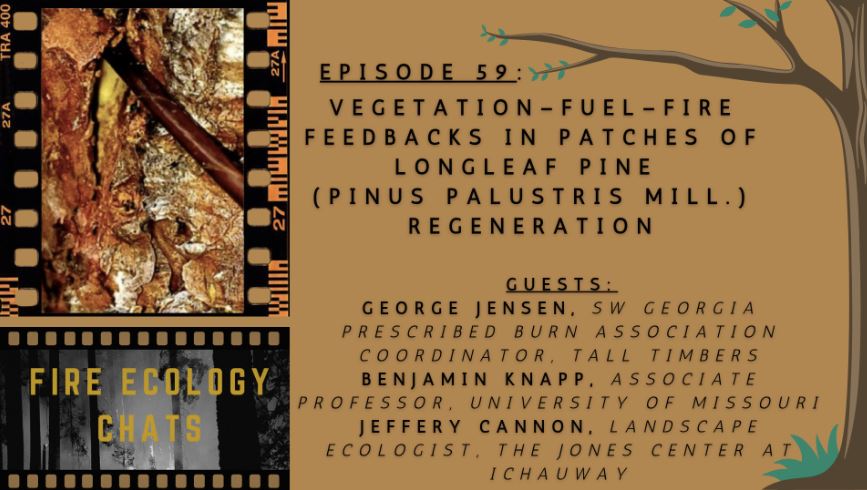
George Jensen, an MS student in our lab, recently led a study published in the journal Fire Ecology exploring how dense patches of regenerating longleaf pine influence fuel structure and fire behavior. We joined Bob Keane on the Fire Ecology Chats podcast to discuss the paper, answer questions, and talk about what these feedbacks mean for forest restoration. Tune in to the episode to hear more about how fire, fuels, and vegetation interact in the longleaf pine ecosystem!
New video highlights lab’s research on water benefits from longleaf pine restoration
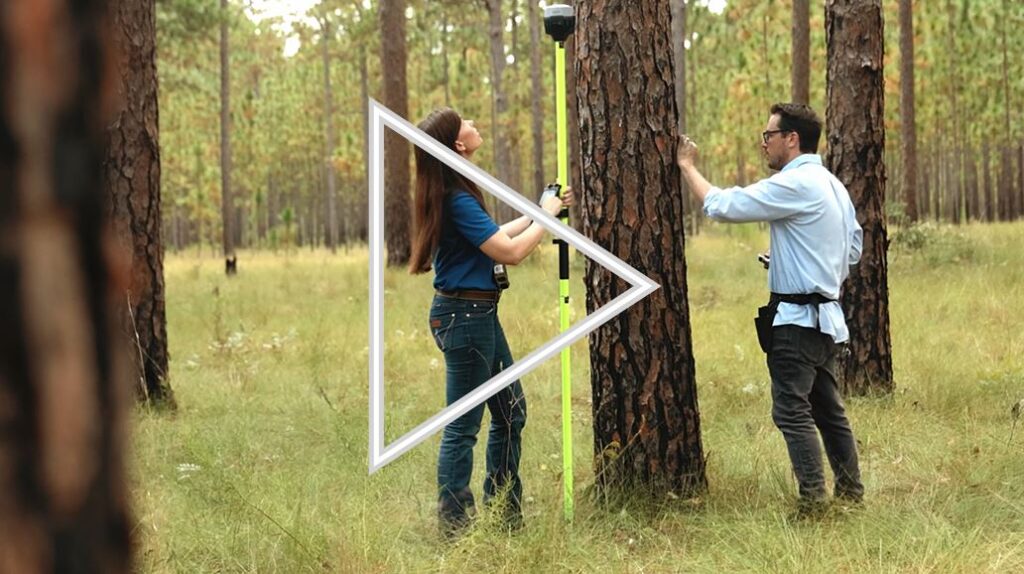
Research from the Landscape Ecology and Ecohydrology labs shows shows that restoring open longleaf pine woodlands can boost streamflow—especially during drought. Watersheds with more longleaf cover had up to 92% higher flows in dry years, making this iconic ecosystem a potential ally in the fight against water scarcity. Watch the short video to see how climate-smart forest management can help sustain both forests and freshwater.