
Building hurricane-resilient longleaf pine forests
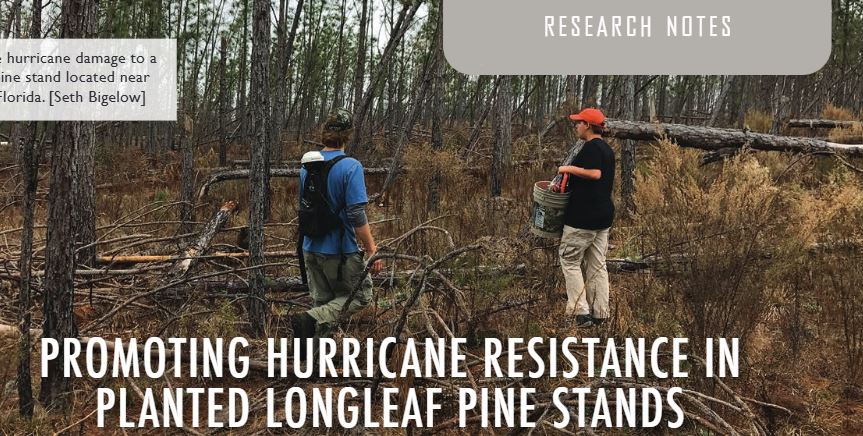
The Longleaf Leader recently featured our research published in Forest Ecology and Management, which guides how landowners can help longleaf pine forests withstand hurricanes. By managing stand density, encouraging tree taper, and maintaining landscape connectivity, planted longleaf stands can be made more wind-resistant, highlighting practical steps to ensure restoration efforts endure in a hurricane-prone future. Check it out on the Longleaf Alliance website
Scienmag highlights labs work on hurricane threats to Longleaf Pine ecosystems
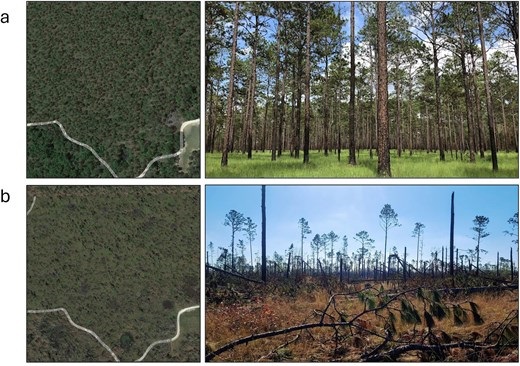
A new study led by lab post-doc Nicole Zampieri was recently featured on Scienmag. The article highlights our work on quantifying the escalating hurricane risks threatening North America’s iconic longleaf pine ecosystems. This research reveals how intensified hurricane activity and compounded stressors imperil biodiversity-rich coastal savannas. Our work underscores the urgent need for adaptive management strategies to safeguard these vital ecosystems under climate change.
How longleaf pine patches shape fire: New research and podcast interview on Fire Ecology Chats
George Jensen, an MS student in our lab, recently led a study published in the journal Fire Ecology exploring how dense patches of regenerating longleaf pine influence fuel structure and fire behavior. We joined Bob Keane on the Fire Ecology Chats podcast to discuss the paper, answer questions, and talk about what these feedbacks mean for forest restoration. Tune in to the episode to hear more about how fire, fuels, and vegetation interact in the longleaf pine ecosystem!
Sierra Magazine highlights forest impacts from Helene and lab’s ongoing research on forest resilience
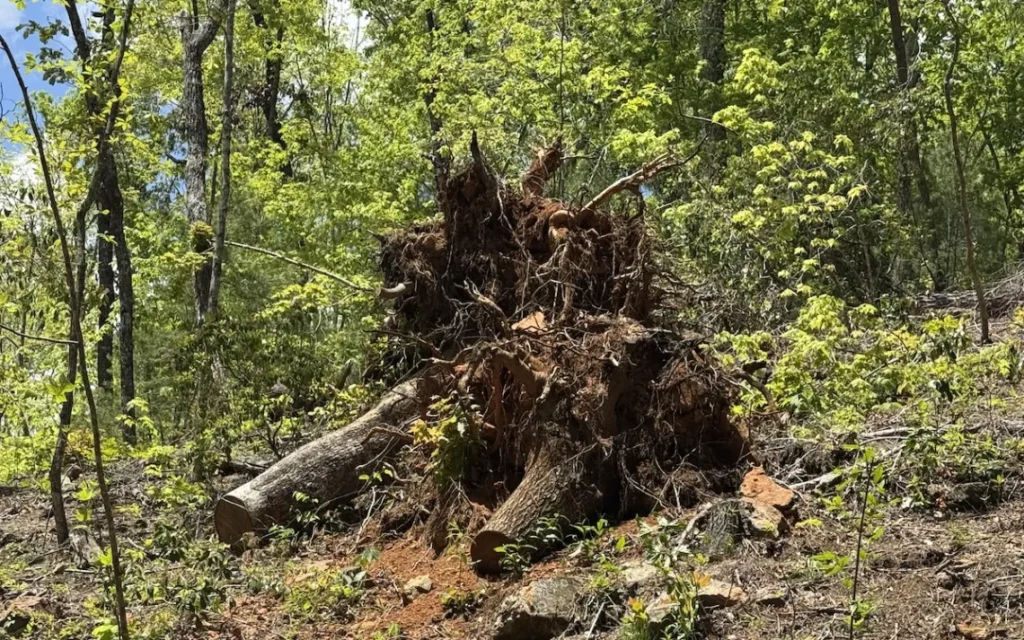
A new Sierra article explores the long-term impacts of Hurricane Helene on Western North Carolina’s forests, including tree loss, fire risk, and shifting species composition. Our lab contributed insight into how storm damage affects forest resilience and recovery. Understanding these dynamics is key to guiding restoration efforts and preparing for more frequent, intense storms in the region.
New video highlights lab’s research on water benefits from longleaf pine restoration
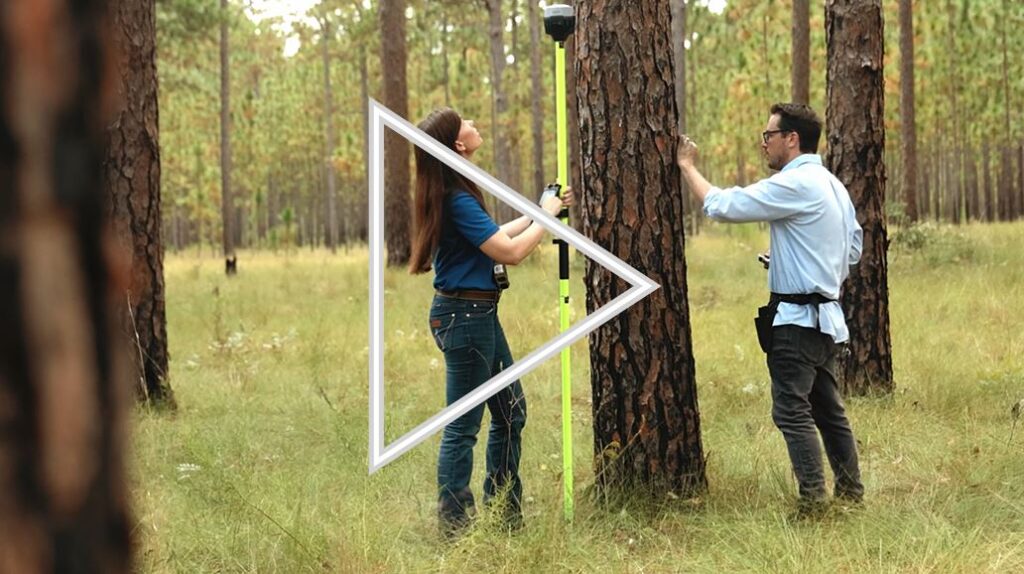
Research from the Landscape Ecology and Ecohydrology labs shows shows that restoring open longleaf pine woodlands can boost streamflow—especially during drought. Watersheds with more longleaf cover had up to 92% higher flows in dry years, making this iconic ecosystem a potential ally in the fight against water scarcity. Watch the short video to see how climate-smart forest management can help sustain both forests and freshwater.
Fishes of the Flint River Basin
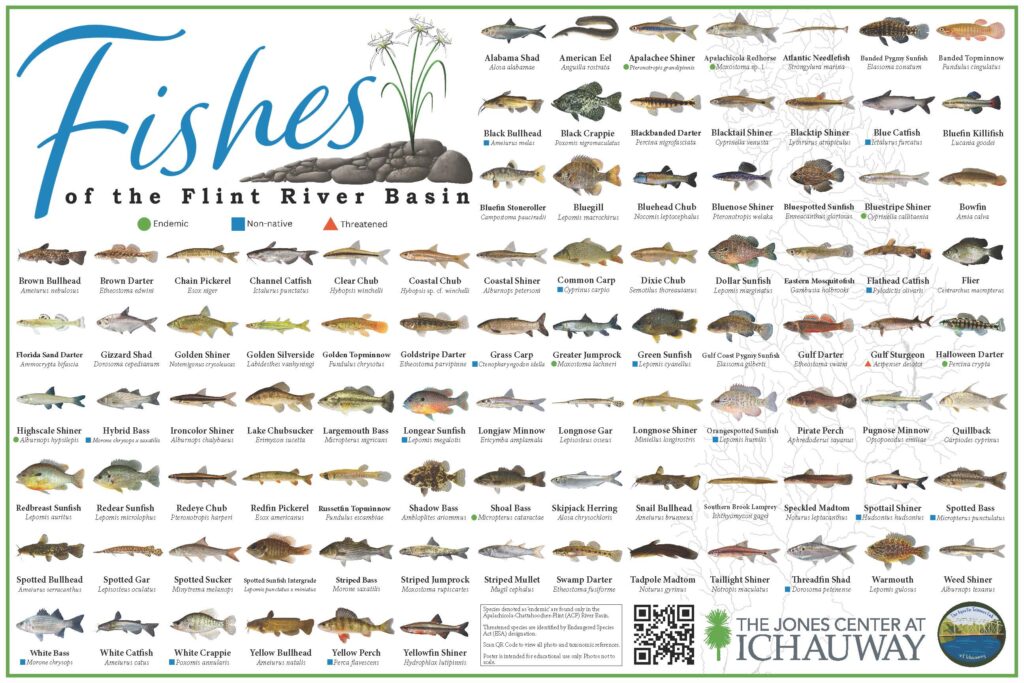
The Aquatic Sciences Lab at The Jones Center at Ichauway is excited to share a compilation highlighting the incredible fish diversity of the Flint River Basin. Using a wide range of sources, we identified 92 species of fish present in the Flint River Basin, including native, endemic, threatened, and non-native species. Species designations and ranges […]
Lab’s mesophication work featured on Fire Ecology Chats Podcast (Ep. 37)
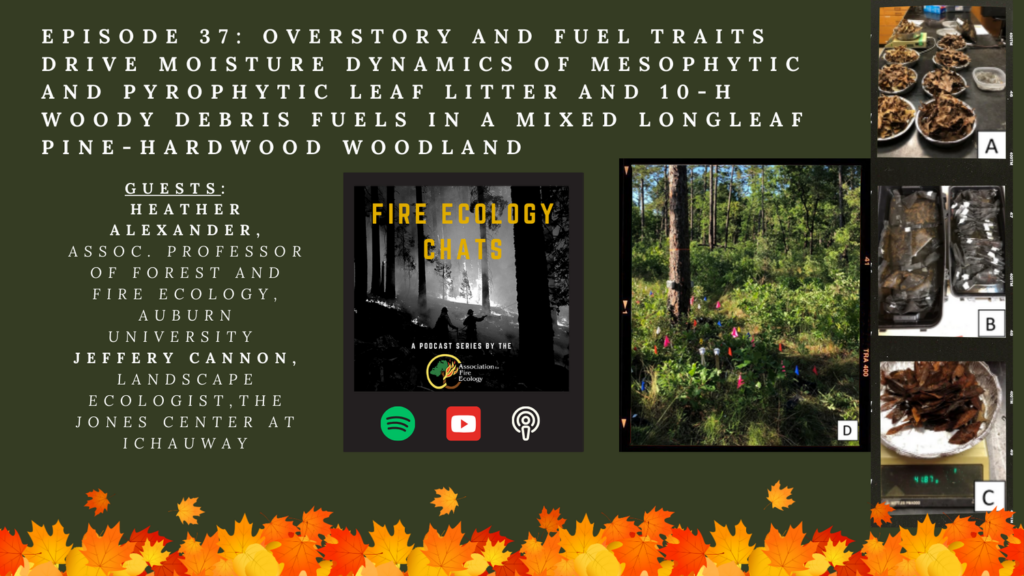
In this episode of Fire Ecology Chats, Fire Ecology editor Bob Keane speaks with Heather Alexander and Jeffery Cannon about reintroducing fire into mixed longleaf pine-hardwood woodlands, and how that will be affected by the shade-tolerant, fire-sensitive species that have grown during periods of fire exclusion.
Lab’s fire research featured on Fire Ecology Chats Podcast (Ep. 36)
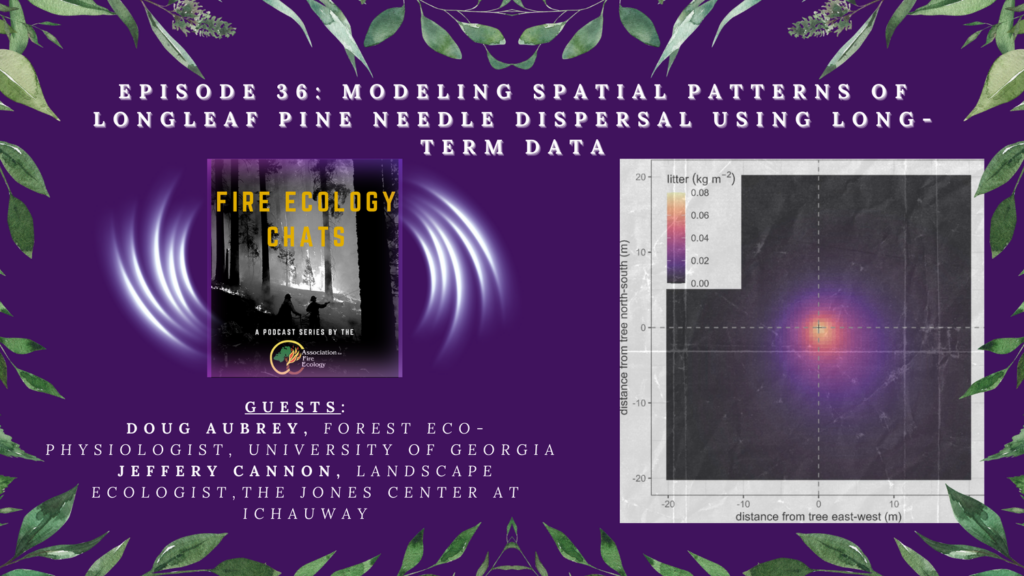
In this episode of Fire Ecology Chats, Fire Ecology editor Bob Keane speaks with Doug Aubrey and Jeffery Cannon about better predicting the leaf litter component in a pine forest to better understand how fire might move through forests under different management scenarios.
Pardon our smoke: Prescribed fire season ramps up in Georgia
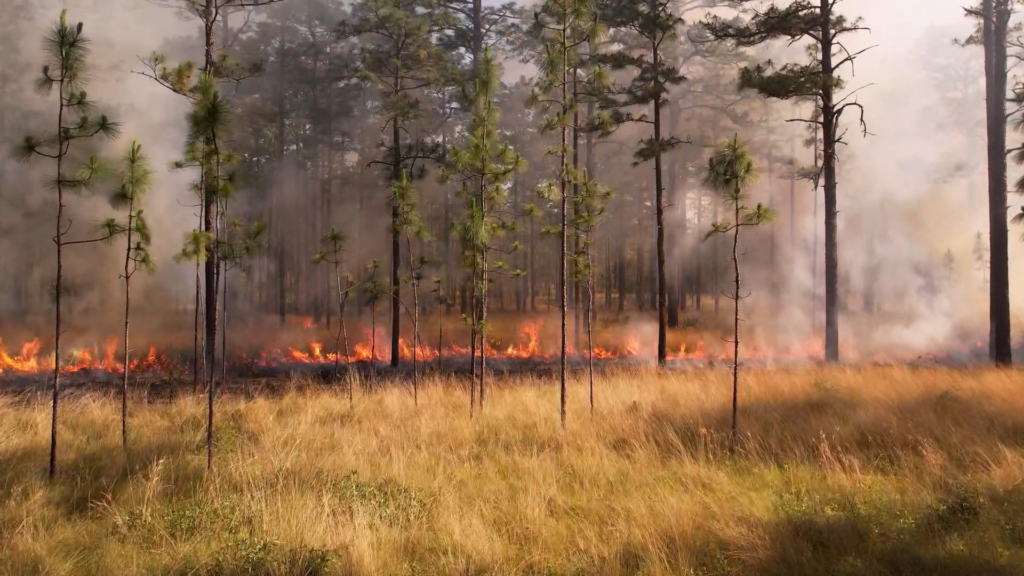
February and March bring “bluebird days” where weather conditions are perfect for using prescribed fire to help conserve and protect longleaf pine ecosystems and the native species they house.
PBS features Landscape Ecology Lab’s tree winching research
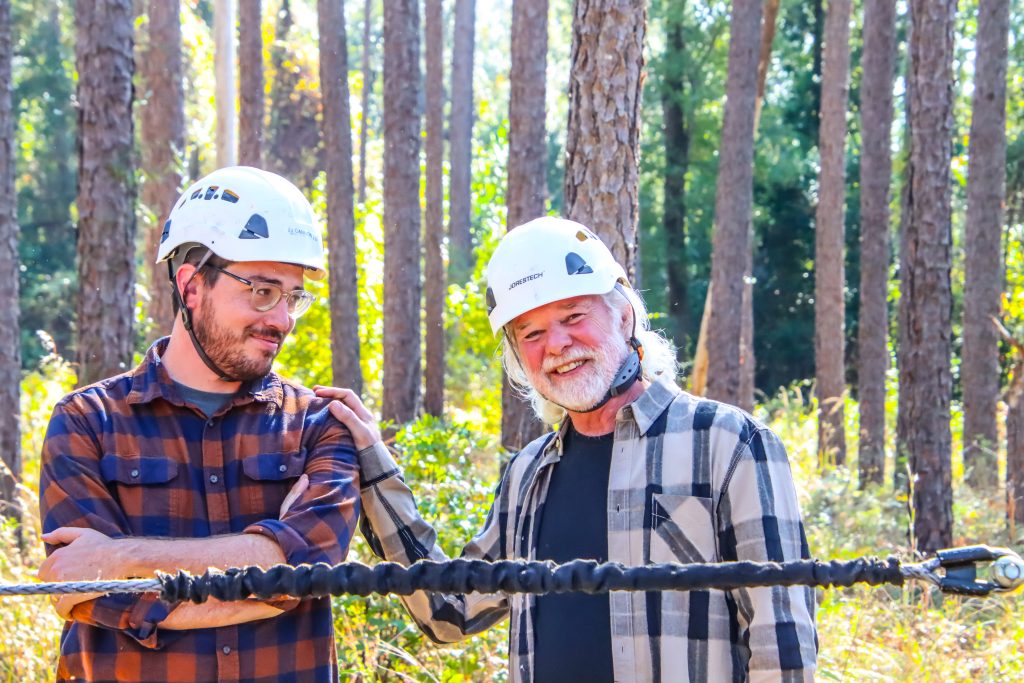
Chuck visits the Jones Center at Ichauway and chats with Director Dr. Kier Klepzig about their work on the 30,000-acre property. They join Dr. Jeff Cannon in the field and help him with a bit of hands-on research into how much hurricane wind force it takes to fell a longleaf pine.